Tests at each stage of pregnancy check the mother's health and the baby's condition, and different items are checked at different times. This article explains which tests are done in early, mid and late pregnancy and what their results can show. In short, each stage looks at different things, so the most important point is not to miss any test at its scheduled time. Test results during pregnancy show how the mother and baby are doing, and they also help decide how the baby will be delivered.
Which tests are needed in early pregnancy?
Care in early pregnancy starts with the medical history rather than the tests. This covers any medical conditions the mother has, past surgery and previous pregnancies and births. The history comes first because the same test result can mean that different things need closer watching during pregnancy, depending on the mother's existing health.
The early examination also checks for vaginal discharge problems, sexually transmitted infections, uterine abnormalities and varicose veins, and confirms that the pregnancy is progressing normally and how large the fetus is. The basic prenatal blood and urine tests show the mother's health values, while ultrasound is used to check where the gestational sac sits and whether there is a heartbeat.
- Urine and blood tests — check for anaemia, blood type, hepatitis and HIV
- Fetal anomaly screening — a screening test that first sorts out whether the fetus may have an abnormality
- Ultrasound — confirms that the pregnancy is progressing normally and checks the size of the fetus

What is checked between weeks 15 and 22 in mid-pregnancy?
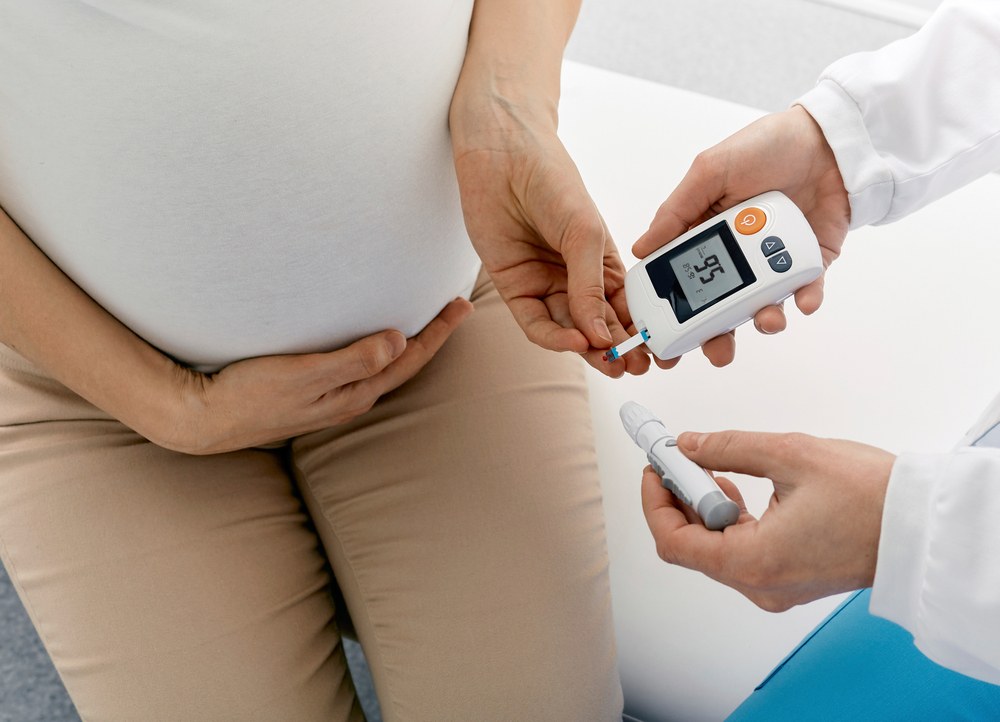
The gestational diabetes test is one that should be done in mid-pregnancy, because as pregnancy moves into its later half, the placenta releases hormones that increase insulin resistance. Gestational diabetes raises the risk of difficult labour or birth injury, and it can also lead to complications for the mother.
Mid-pregnancy is a time when morning sickness eases and the fetus grows quickly, so the baby's condition is checked with an anomaly screening blood test and a detailed ultrasound, and anaemia levels are checked again. Amniocentesis is not a test every mother has; it is done separately only when it is needed.
- Anomaly screening blood test — the 2nd-stage anomaly screening done between weeks 15 and 22
- Gestational diabetes test — recommended for everyone, as insulin resistance rises at this stage
- Three — dimensional ultrasound — checks the health of the fetus in more detail than in early pregnancy
Which tests are done after week 28, and how often?
Weeks 28 to 30 mark the move into the final stretch of pregnancy. From this point, fetal movement monitoring is done every 2 weeks to check that the baby's movements and heartbeat are normal. A chest X-ray and an electrocardiogram are done at the same time because the mother's physical condition needs to be understood in advance of delivery.
Examinations after week 36 focus on preparing for the method of delivery. The height of the uterus, the position of the fetus and the pelvis are examined to prepare for vaginal delivery or surgery. Ultrasound is used for the same purpose, checking the baby's position and weight, the amount of amniotic fluid and the position of the placenta.